Power Battery Solutions
  • Scopes
    • High performance E-racing
    • Retrofit
    • Zwaar materieel
    • Industrie
    • Maritiem
    • Specials & Kennis
  • Oplossingen
    • Luchtgekoeld elektrisch
    • Hybride elektrisch
    • Vloeistofgekoeld elektrisch
  • Technologie
    • Batterijtypes & celchemieën
    • Batterijmodules
    • Koeltechnologie
    • Batterijpakketten
    • Datasheets
    • Power Battery calculator
    • 3D-Modellen
  • Over ons
    • Hoe we werken
  • E-INSIGHTS
Contact
Calculator
  • How do EV batteries contribute to clean energy goals?

    EV batteries serve as the backbone of clean energy transformation by functioning as mobile energy storage units that reduce fossil fuel dependence and enable renewable energy integration. These battery energy storage systems create distributed networks that support grid stability while driving significant carbon reduction across transportation and energy sectors.

    What makes EV batteries important for achieving clean energy objectives?

    Electric vehicle batteries transform transportation from a carbon-intensive sector into a clean energy asset by storing renewable electricity and reducing fossil fuel consumption. They create mobile energy storage networks that can feed power back to the grid during peak demand, supporting overall energy system stability and renewable integration goals.

    The shift to electric mobility represents more than just changing how vehicles are powered. EV batteries enable a fundamental restructuring of energy systems by creating thousands of distributed storage units that can absorb excess renewable energy when the sun shines or wind blows. This capability addresses one of the biggest challenges in clean energy transition: storing intermittent renewable power for use when it’s needed most.

    Modern battery modules are designed to handle the dual demands of vehicle operation and grid interaction. When connected to smart charging infrastructure, these systems can charge during periods of abundant renewable generation and discharge power back to homes or the grid when demand peaks. This bidirectional capability makes every electric vehicle a potential energy asset rather than just an energy consumer.

    The scale of impact grows exponentially as EV adoption increases. A typical electric vehicle battery can store 50-100 kWh of energy, enough to power an average home for several days. When millions of vehicles participate in grid integration programmes, they collectively provide massive storage capacity that traditional power systems could never match economically.

    How do electric vehicle batteries support renewable energy integration?

    Electric vehicle batteries smooth out renewable energy intermittency by storing excess solar and wind power during peak generation periods and releasing it when renewable sources aren’t producing. Vehicle-to-grid technology allows EV batteries to act as distributed energy resources that help balance supply and demand across the electrical grid.

    Renewable energy sources like solar and wind produce power when weather conditions are favourable, not necessarily when electricity demand is highest. This mismatch creates integration challenges that battery energy storage systems can solve. EV batteries connected to smart charging networks can automatically adjust their charging patterns to absorb excess renewable electricity, preventing waste and grid instability.

    Peak load management becomes significantly easier with widespread EV adoption. During hot summer afternoons when air conditioning drives electricity demand to dangerous peaks, connected electric vehicles can discharge stored renewable energy back to the grid. This reduces strain on traditional power plants and helps prevent blackouts without requiring expensive infrastructure upgrades.

    The buffer effect of EV batteries extends beyond daily cycles to seasonal patterns. In regions with strong seasonal renewable generation, such as areas with abundant winter wind or summer solar, electric vehicle fleets can help store energy during productive months and release it during leaner periods. This long-term storage capability supports higher renewable penetration rates than would otherwise be possible.

    Smart charging systems coordinate these activities automatically, optimising when vehicles charge and discharge based on renewable availability, grid needs, and driver requirements. Vehicle owners benefit from lower electricity costs while contributing to a cleaner, more resilient energy system.

    Why are EV batteries considered game-changers for carbon emission reduction?

    EV batteries eliminate tailpipe emissions entirely while offering superior lifecycle carbon performance compared to combustion engines, even accounting for manufacturing impacts. As electricity grids incorporate more renewable sources, the carbon advantage of electric vehicle batteries continues to improve, creating compounding emission reductions over time.

    The carbon reduction potential of electric vehicle batteries extends well beyond replacing petrol and diesel fuel. Manufacturing improvements in battery production have dramatically reduced the carbon intensity of battery cell production over the past decade. Advances in recycling technology ensure that valuable materials like lithium, cobalt, and nickel can be recovered and reused, further reducing the lifecycle carbon footprint.

    Quantifiable emission reductions from electric vehicle adoption vary by region based on electricity grid composition, but the trend is consistently positive. In areas with high renewable electricity penetration, electric vehicles can reduce transport emissions by 70-90% compared to equivalent combustion vehicles. Even in regions still dependent on fossil fuel electricity, EVs typically offer 30-50% emission reductions.

    The carbon benefits multiply as EV batteries enable greater renewable energy integration. By providing storage and grid services, electric vehicle batteries help accelerate the retirement of fossil fuel power plants and increase the economic viability of solar and wind projects. This creates a positive feedback loop where electric mobility and clean electricity generation reinforce each other.

    Battery recycling programmes ensure that end-of-life EV batteries don’t become environmental liabilities. Recovered materials can be used in new batteries or repurposed for stationary energy storage applications, extending their useful life and carbon reduction benefits well beyond their automotive service period.

    What role do EV batteries play in creating sustainable transportation networks?

    EV batteries enable circular economy principles in transportation by supporting material recovery, reducing urban air pollution, and creating interconnected mobility solutions that align with global sustainability commitments. Smart charging infrastructure powered by renewable energy creates transportation networks that regenerate rather than degrade environmental systems.

    Sustainable transportation networks require more than just clean vehicles; they need integrated systems that optimise resource use and minimise waste. EV batteries contribute by enabling shared mobility services where vehicles can serve multiple users throughout the day, maximising utilisation rates and reducing the total number of vehicles needed.

    Urban air quality improvements from electric vehicle adoption create immediate health benefits that complement long-term climate goals. Unlike combustion engines that produce harmful pollutants regardless of fuel source, electric vehicles with battery power produce zero local emissions. This is particularly valuable in dense urban areas where air pollution poses serious public health risks.

    Smart charging systems create transportation networks that respond dynamically to energy availability and environmental conditions. During periods of high renewable generation, charging rates can increase to absorb excess clean electricity. When grid stress occurs, vehicles can reduce charging or even provide power back to the system, maintaining network stability without compromising mobility needs.

    The interconnected nature of modern EV charging networks enables optimisation across entire transportation systems. Route planning can incorporate charging availability, energy costs, and grid conditions to minimise environmental impact while maintaining service quality. This systems-level approach to sustainable transportation wouldn’t be possible without the flexibility that battery energy storage provides.

    EV batteries represent a transformative technology that makes clean energy goals achievable by creating mobile storage networks that support renewable integration while eliminating transportation emissions. The technology continues advancing rapidly, with improvements in energy density, charging speed, and lifecycle performance making electric mobility increasingly attractive. If you’re considering how battery energy storage solutions might support your organisation’s sustainability objectives, we’d be happy to discuss custom approaches that align with your specific requirements. Please contact us to explore how advanced battery systems can contribute to your clean energy transition.

  • What is fast charging for EV batteries?

    Fast charging for EV batteries refers to high-power charging systems that deliver significantly more energy per minute than standard charging methods. These systems typically operate at power levels above 50kW and can charge an electric vehicle battery from 10% to 80% capacity in 15-45 minutes. Fast charging uses specialised infrastructure and charging protocols to safely manage the increased electrical flow while protecting battery health.

    What exactly is fast charging for electric vehicle batteries?

    Fast charging is any electric vehicle charging system that delivers power at rates significantly higher than standard home charging. These systems typically operate between 50kW and 350kW, compared to home chargers that usually provide 3-22kW.

    The technical distinction lies in the power delivery method. Fast charging uses direct current (DC) to bypass the vehicle’s onboard charger, feeding power directly to the battery modules. This approach eliminates conversion losses and allows much higher charging speeds than alternating current (AC) systems.

    Different charging standards govern how this power transfer happens. The Combined Charging System (CCS) is widely used in Europe and North America, whilst CHAdeMO remains popular in Asian markets. Tesla’s Supercharger network uses a proprietary connector, though newer stations support CCS compatibility.

    Voltage requirements vary significantly between rapid charging technology systems. Most fast chargers operate between 400-800 volts, with some newer systems reaching 1000 volts. Higher voltages enable faster charging speeds whilst reducing current flow, which minimises heat generation and improves efficiency during the charging process.

    How does rapid charging affect battery lifespan and performance?

    Rapid charging creates additional stress on ev battery cells through increased heat generation and accelerated chemical reactions. This can reduce overall battery lifespan by 5-15% compared to slower charging methods, though modern battery management systems help minimise this impact.

    Heat represents the primary challenge during fast charging sessions. High charging currents generate thermal energy that can damage battery cell structures if not properly managed. Most electric vehicles include sophisticated cooling systems that circulate coolant around battery packs during rapid charging to maintain optimal temperatures.

    Chemical stress occurs when lithium ions move rapidly between the battery’s anode and cathode during high-speed charging. This accelerated movement can cause microscopic changes in the electrode materials over time, gradually reducing the battery’s ability to hold charge.

    Long-term capacity retention depends heavily on charging habits and thermal management. Batteries that regularly experience fast charging may retain 85-90% of their original capacity after 100,000 miles, compared to 90-95% for those primarily charged at slower rates. However, the convenience benefits often outweigh these modest capacity reductions for most users.

    Why do different electric vehicles charge at varying speeds?

    Electric vehicle charging speed variations result from differences in battery chemistry, thermal management capabilities, and charging system architecture. A vehicle’s maximum charging rate depends on the weakest component in its charging system, whether that’s the battery, cooling system, or onboard electronics.

    Battery chemistry plays a crucial role in determining charging speed limits. Lithium iron phosphate (LFP) batteries typically charge more slowly than nickel-based chemistries but offer better thermal stability. Newer silicon-enhanced anodes can accept higher charging rates whilst maintaining safety margins.

    Thermal management systems vary dramatically between manufacturers and price points. Premium electric vehicles often feature sophisticated liquid cooling systems that maintain optimal battery temperatures during fast charging. Budget models may rely on simpler air cooling, which limits their maximum charging speeds to prevent overheating.

    Charging infrastructure compatibility also affects real-world charging speeds. A vehicle designed for 150kW charging will only charge at 50kW when connected to a 50kW charger. Similarly, older charging stations may not support the latest high-speed protocols, limiting charging performance regardless of vehicle capabilities.

    Manufacturer design choices reflect different priorities and cost considerations. Some brands prioritise maximum charging speed for marketing appeal, whilst others focus on battery longevity and consistent performance. These philosophical differences result in varying charging capabilities even among vehicles with similar battery capacities.

    What determines how fast an EV battery can actually charge?

    Battery charging speed depends on multiple limiting factors working together, including current battery temperature, state of charge, available infrastructure power, and built-in safety protocols. The charging system automatically adjusts power delivery based on whichever factor imposes the strictest limitation at any given moment.

    Battery temperature significantly influences charging speed throughout the session. Cold batteries below 15°C charge much slower to prevent lithium plating, whilst hot batteries above 35°C also reduce charging rates to prevent thermal damage. Most modern electric vehicles pre-condition their batteries when navigation to a fast charger is active.

    State of charge creates a natural charging curve that starts fast and gradually slows down. Electric vehicle charging typically peaks between 10-30% charge level, then progressively decreases as the battery approaches 80% capacity. This protective measure prevents overcharging and maintains battery health over thousands of cycles.

    Charging infrastructure capabilities set absolute limits on power delivery regardless of vehicle capacity. A 50kW charger cannot deliver 150kW even if the vehicle supports it. Power sharing between multiple vehicles at the same charging station can also reduce available power during busy periods.

    Built-in safety protocols continuously monitor dozens of parameters during charging sessions. These systems can instantly reduce charging power if they detect any anomalies in voltage, current, temperature, or communication between the vehicle and charger. This protective approach ensures safe operation but may limit charging speeds under certain conditions.

    Understanding these factors helps you optimise your electric vehicle charging experience and set realistic expectations for charging times. When planning custom battery systems for specialised applications, these same principles guide our design decisions to balance charging speed with safety and longevity. If you’re developing electric vehicles or need custom battery solutions that meet specific charging requirements, we’d be happy to discuss how our expertise can support your project – feel free to contact us.

  • What new materials are used in modern EV batteries?

    Modern EV batteries incorporate several advanced materials that dramatically improve performance compared to earlier electric vehicle battery technologies. Silicon anodes replace traditional graphite for higher energy density, while solid-state electrolytes eliminate liquid components for enhanced safety. Advanced cathode chemistries and cobalt-free compositions address range limitations and ethical sourcing concerns in today’s electric vehicle market.

    What makes silicon anodes revolutionary for EV battery performance?

    Silicon anodes can store up to ten times more lithium ions than traditional graphite anodes, delivering significantly higher energy density for electric vehicle applications. This increased capacity translates to longer driving ranges without adding battery weight or size to the vehicle.

    The revolutionary nature of silicon lies in its ability to expand and contract during charging cycles. While graphite anodes expand only 10% during lithium insertion, silicon can expand up to 300%. This dramatic volume change initially caused durability problems, but modern manufacturing techniques now use silicon nanoparticles and composite materials to manage this expansion effectively.

    Silicon anodes also enable faster charging speeds because they can accept lithium ions more quickly than graphite. This means shorter charging times for drivers, addressing one of the main concerns about electric vehicle adoption. However, the manufacturing process remains more complex and expensive than traditional graphite production.

    Current challenges include managing the mechanical stress from volume changes and maintaining electrical connections throughout the battery’s lifespan. Battery manufacturers are developing advanced battery module designs that accommodate these material properties while maximising performance benefits.

    How do solid-state electrolytes change electric vehicle battery safety?

    Solid-state electrolytes replace the liquid electrolyte found in conventional lithium-ion batteries with ceramic or polymer materials. This eliminates the flammable liquid component that can cause thermal runaway and battery fires, making solid-state battery technology inherently safer for electric vehicle applications.

    The enhanced thermal stability of solid-state electrolytes means these batteries can operate safely at higher temperatures without degrading or becoming dangerous. Unlike liquid electrolytes that can leak or produce toxic gases when damaged, solid electrolytes maintain their structural integrity even under extreme conditions.

    Solid-state designs also prevent dendrite formation, which occurs when lithium crystals grow through liquid electrolytes and cause internal short circuits. This elimination of dendrite growth significantly reduces fire risk and improves overall battery chemistry reliability.

    The improved durability of solid-state electrolytes extends battery lifespan because they don’t break down chemically like liquid alternatives. This means electric vehicle batteries can maintain their capacity longer, reducing replacement costs and environmental impact over the vehicle’s lifetime.

    Which cathode materials deliver the longest EV battery range?

    Nickel-rich NCM (Nickel Cobalt Manganese) cathodes currently provide the longest driving range for electric vehicles, with some formulations containing 80-90% nickel content. These high-nickel compositions store more energy per unit weight, directly translating to extended vehicle range between charges.

    High-voltage cathode materials represent the next generation of range improvement. These advanced chemistries operate at higher voltages than traditional materials, extracting more energy from each battery cell. However, they require more sophisticated battery management systems to handle the increased electrical demands safely.

    Lithium iron phosphate (LFP) variations offer a different approach to range optimisation. While individual LFP cells store less energy than NCM alternatives, their improved thermal stability allows for larger battery packs without safety concerns. This size advantage can offset the lower energy density in certain vehicle designs.

    The choice between cathode materials often involves balancing range requirements against other factors like cost, safety, and charging speed. Manufacturers increasingly use different cathode chemistries for different vehicle models, matching the material properties to specific performance requirements and market positioning.

    Why are manufacturers switching to cobalt-free battery compositions?

    Cobalt mining involves significant ethical concerns including child labour and dangerous working conditions, particularly in the Democratic Republic of Congo where most cobalt originates. Electric vehicle manufacturers are eliminating cobalt to ensure their supply chains meet ethical sourcing standards and avoid contributing to these humanitarian issues.

    Cost reduction represents another major driver for cobalt-free alternatives. Cobalt prices fluctuate dramatically and the material remains expensive compared to alternatives like iron and manganese. Removing cobalt from battery chemistry reduces manufacturing costs and makes electric vehicles more affordable for consumers.

    Lithium iron phosphate (LFP) and manganese-rich chemistries provide viable cobalt-free alternatives with their own performance advantages. LFP batteries offer exceptional safety characteristics and longer lifespans, while manganese-rich formulations provide good energy density at lower costs than cobalt-containing alternatives.

    The performance characteristics of cobalt-free batteries continue improving through research and development. While early cobalt-free designs had lower energy density, modern formulations achieve competitive performance levels. Some cobalt-free chemistries even outperform traditional compositions in specific applications like thermal stability and fast charging capability.

    These material innovations represent just the beginning of electric vehicle battery evolution. As the technology continues advancing, manufacturers need partners who understand both current capabilities and emerging possibilities. If you’re developing electric vehicle applications that require custom battery solutions, we’d be happy to discuss how these new materials could benefit your specific requirements. Feel free to contact us to explore the possibilities.

  • Can you improve efficiency with custom EV batteries?

    Custom EV batteries can significantly improve efficiency compared to standard options through tailored design, optimized cell chemistry, and application-specific thermal management. These bespoke solutions reduce power losses, enhance energy density, and integrate better with vehicle systems. The investment depends on your specific performance requirements, usage patterns, and operational goals.

    What makes custom EV batteries more efficient than standard options?

    Custom EV batteries achieve superior efficiency through tailored cell chemistry and optimized thermal management systems designed for specific applications. Unlike mass-produced batteries, custom solutions match your exact voltage requirements, space constraints, and performance demands, eliminating energy losses from oversized or mismatched components.

    The efficiency gains come from several key areas. Custom battery optimization allows engineers to select the ideal cell chemistry for your application, whether you need high energy density for extended range or high power density for performance applications. This targeted approach reduces internal resistance and heat generation, which directly translates to better energy utilization.

    Thermal management plays a crucial role in EV battery efficiency. Custom solutions can incorporate advanced battery module designs with precisely engineered cooling systems. Air-cooled systems work well for lighter applications, while liquid cooling handles extreme conditions and high-power cycling demands more effectively.

    Integration efficiency also improves with custom battery solutions. Standard batteries often require additional components or adaptations that create power losses. Custom designs eliminate these inefficiencies by matching your vehicle’s electrical architecture perfectly, reducing conversion losses and optimizing power delivery curves.

    How do custom batteries improve your electric vehicle’s range and performance?

    Custom batteries enhance EV range through optimized energy storage capacity and improved power delivery that matches your specific driving patterns. By designing battery packs with the exact energy density and power characteristics your vehicle needs, you eliminate the compromises inherent in standard battery solutions.

    Range improvements come from several factors. Custom battery configurations can maximize energy storage within your available space constraints. This means better packaging efficiency and often higher overall capacity than trying to fit standard modules into your vehicle design. The optimized cell selection also reduces energy losses during charging and discharging cycles.

    Performance consistency across different operating conditions represents another advantage. Custom batteries can be designed to handle specific temperature ranges, charging speeds, and power demands that match your operational requirements. This consistency means predictable range regardless of weather conditions or driving style.

    Acceleration and power delivery improvements result from optimized power curves. Custom battery systems can provide the exact current and voltage characteristics your motor controllers need for peak efficiency. This optimization reduces energy waste during high-power demands and improves overall system responsiveness.

    Weight distribution also plays a role in performance. Custom battery solutions can be designed to fit optimal locations within your vehicle, improving handling and efficiency while maximizing available space for other components or cargo.

    What factors determine if custom EV batteries are worth the investment?

    Custom EV batteries justify their investment when your application has specific requirements that standard solutions cannot meet effectively. The decision depends on your vehicle usage patterns, performance requirements, production volumes, and long-term operational costs versus the premium for customization.

    Usage patterns significantly influence the value proposition. If your vehicles operate in extreme conditions, require specific charging profiles, or have unique space constraints, custom solutions often provide measurable advantages. Applications with demanding duty cycles, temperature extremes, or specialized power requirements typically benefit most from custom battery optimization.

    Production volume considerations affect cost-effectiveness. Custom battery solutions work best for manufacturers producing 10-1000 units annually who need specific performance characteristics. Larger volumes might justify the engineering investment, while very small quantities may not spread development costs effectively.

    Performance requirements that exceed standard battery capabilities make custom solutions worthwhile. This includes applications needing specific voltage levels, unusual form factors, extreme temperature operation, or specialized charging characteristics that off-the-shelf products cannot provide.

    Long-term operational costs often favor custom solutions despite higher initial investment. Better efficiency, longer lifespan, and reduced maintenance requirements can offset the premium over the battery’s operational life. Custom thermal management and cell selection typically extend battery life in demanding applications.

    Budget considerations include both upfront investment and ongoing operational costs. Custom battery solutions typically require higher initial investment but can provide better total cost of ownership through improved efficiency and longevity in specialized applications.

    How long does it take to develop and install custom EV battery systems?

    Custom EV battery development typically takes 3-6 months from initial consultation to working prototype, with additional time for testing and production scaling. The timeline depends on complexity, testing requirements, and integration challenges with existing vehicle systems.

    The development process begins with consultation and requirements analysis, usually taking 2-4 weeks. This phase involves understanding your specific needs, space constraints, performance requirements, and integration challenges. Clear requirements definition accelerates subsequent development phases.

    Design and prototyping phases typically require 6-12 weeks for custom battery solutions. This includes cell selection, thermal management design, mechanical packaging, and electrical system integration. Complex applications with unusual requirements may extend this timeline.

    Testing and validation add another 4-8 weeks to ensure safety, performance, and reliability standards are met. This includes thermal testing, electrical performance validation, and integration testing with your vehicle systems. Extreme operating conditions or safety-critical applications require more extensive testing.

    Production preparation and initial manufacturing typically take 2-4 weeks once designs are validated. This includes tooling preparation, supply chain coordination, and quality system setup for ongoing production.

    Installation and commissioning timelines vary based on system complexity and integration requirements. Simple replacements might take days, while complex integrations with new thermal management systems could require several weeks.

    Factors that influence project duration include design complexity, testing requirements, regulatory approvals, component availability, and integration challenges. Clear communication and well-defined requirements help maintain project schedules.

    Custom EV batteries offer significant efficiency and performance advantages for applications with specific requirements that standard solutions cannot meet. The investment makes sense when your operational needs, production volumes, and performance requirements justify the development costs. If you’re considering custom battery solutions for your electric vehicle application, contact our engineering team to discuss your specific requirements and timeline expectations.

  • What parameters can be customized in EV battery design?

    EV battery design parameters can be customized across electrical specifications, thermal management systems, physical dimensions, and safety features. These battery design parameters allow manufacturers to optimize electric vehicle battery customization for specific applications, from compact city cars to heavy-duty industrial vehicles. Understanding these customizable elements helps you make informed decisions about battery pack configuration for your unique requirements.

    What are the core electrical parameters that define ev battery performance?

    The core electrical parameters include voltage, capacity, power output, and energy density, which determine how your EV battery performs across different applications and vehicle types. Voltage affects the motor’s efficiency and speed capabilities, while capacity determines driving range. Power output influences acceleration and performance, and energy density impacts the weight-to-performance ratio.

    Voltage configuration typically ranges from 48V for smaller applications up to 800V for high-performance vehicles. You can customize voltage levels by connecting lithium battery specifications in series or parallel arrangements. Higher voltages enable faster charging and improved efficiency but require more sophisticated safety systems.

    Capacity customization involves selecting the right ampere-hour (Ah) rating for your specific range requirements. This directly affects how far your vehicle can travel on a single charge. Power output customization focuses on peak and continuous discharge rates, measured in kilowatts, which determine acceleration capabilities and sustained performance under load.

    Energy density optimization balances power storage with weight considerations. You can achieve different energy densities through cell chemistry selection and modular battery pack designs that maximize space utilization while maintaining optimal performance characteristics.

    How does thermal management configuration affect battery longevity?

    Thermal management configuration directly impacts battery lifespan by controlling operating temperatures and preventing thermal stress. Air-cooled systems work well for moderate applications, while liquid-cooled designs handle high-performance demands. Proper battery thermal management can extend battery life by 30-50% compared to unmanaged systems.

    Air-cooled systems use fans and heat sinks to dissipate heat naturally. These systems are lighter, simpler, and more cost-effective for applications with moderate power demands. They work effectively in ambient temperatures up to 40°C and are ideal for urban delivery vehicles or light passenger cars.

    Liquid-cooled systems circulate coolant through channels within the battery pack, providing superior temperature control for high-performance applications. These systems maintain optimal operating temperatures even under extreme conditions, such as racing applications or industrial equipment operating at 50°C ambient temperatures.

    Temperature control strategies include active heating for cold weather performance and sophisticated cooling algorithms that respond to real-time conditions. You can customize thermal management based on your operating environment, duty cycle, and performance requirements. Advanced systems integrate with vehicle climate control for optimal efficiency.

    Which physical dimensions and form factors can be modified for different vehicles?

    Physical dimensions and form factors can be extensively customized through modular designs that adapt to space constraints in different vehicle types. Battery pack configuration can be tailored for height, width, length, and mounting requirements while maintaining structural integrity and optimal weight distribution.

    Modular battery designs allow you to configure packs using standardized modules arranged in various configurations. This approach enables efficient space utilization whether you’re retrofitting existing vehicles or designing new ones. Modules can be stacked, arranged in single rows, or distributed across multiple locations within the vehicle.

    Space optimization strategies consider ground clearance requirements, crash protection zones, and accessibility for maintenance. You can design battery packs that fit under floors, behind seats, or in custom compartments while maintaining proper weight distribution and structural safety.

    Integration approaches vary significantly between applications. Construction equipment might require ruggedized housings with enhanced protection, while racing applications prioritize weight reduction and rapid heat dissipation. Marine applications need waterproof enclosures, and aviation applications require lightweight materials meeting strict safety standards.

    What safety and protection features can be customized in modern ev batteries?

    Safety and protection features can be tailored through battery management system configurations, protection circuits, and fail-safe mechanisms designed for specific operating environments and applications. These systems monitor cell conditions, prevent dangerous situations, and ensure safe operation under all circumstances.

    Battery management system configurations include cell monitoring, balancing circuits, and communication protocols. You can customize monitoring frequency, voltage thresholds, and temperature limits based on your application’s safety requirements. Advanced systems provide real-time diagnostics and predictive maintenance alerts.

    Protection circuits safeguard against overcurrent, overvoltage, undervoltage, and thermal events. Customizable features include fuse ratings, contactor specifications, and emergency shutdown procedures. You can configure multiple protection layers for critical applications or streamlined systems for cost-sensitive projects.

    Fail-safe mechanisms ensure safe battery behavior during emergencies. These include thermal runaway containment, fire suppression systems, and emergency disconnect procedures. Safety standards compliance can be customized for different markets and applications, from automotive standards to marine or aviation requirements.

    Understanding these customizable parameters helps you optimize electric vehicle battery performance for your specific needs. Whether you’re developing new vehicles or retrofitting existing ones, proper parameter selection ensures optimal performance, safety, and longevity. If you’re planning a custom battery solution, we’d be happy to discuss your specific requirements and help you navigate these complex decisions – feel free to contact us for expert guidance.

  • Electric vehicles are evolving rapidly, and so is the technology that powers them. While traditional battery packs have served the EV industry well, modular battery systems are emerging as a game-changing solution for manufacturers and fleet operators alike. These innovative systems break away from the one-size-fits-all approach, offering unprecedented flexibility and efficiency.

    What makes modular battery packs different? Instead of housing all battery cells in a single, monolithic unit, modular systems divide the energy storage into separate, interconnected modules. This design philosophy transforms how we think about electric power EV solutions, making them more adaptable, maintainable, and cost-effective over their operational lifetime.

    1. Perfect fit for your specific vehicle requirements

    Every electric vehicle project comes with unique challenges. Space constraints, voltage requirements, and integration needs vary dramatically between different applications. Modular battery packs address these challenges by offering customisable configurations that adapt to your specific requirements rather than forcing you to work around predetermined limitations.

    Traditional battery systems often require significant vehicle design compromises. You might need to alter your chassis design or accept suboptimal weight distribution to accommodate a fixed battery pack size. Modular systems eliminate these constraints by allowing you to configure individual modules to fit available spaces perfectly, whether you’re working on a compact city vehicle or a heavy-duty commercial truck.

    This flexibility extends beyond physical dimensions. Different electric vehicle applications require different voltage levels and power delivery characteristics. Modular systems let you combine modules in series or parallel configurations to achieve the exact electrical specifications your project demands, ensuring optimal performance without overengineering or underdelivering on power requirements.

    2. Easier maintenance and replacement of individual modules

    When a traditional battery pack develops issues, you’re often looking at replacing or servicing the entire system. This approach creates unnecessary downtime and inflated maintenance costs. Modular battery packs revolutionise maintenance by allowing targeted intervention on specific modules while keeping the rest of the system operational.

    Think about the practical implications for fleet operators. If one module in a ten-module system needs attention, you can address that single component without taking the entire vehicle out of service for extended periods. This approach dramatically reduces operational disruptions and maintains fleet availability, which directly impacts your bottom line.

    The maintenance benefits extend to diagnostics as well. Each module can be monitored independently, making it easier to identify performance issues before they become critical failures. This predictive maintenance capability helps you schedule interventions during planned downtime rather than dealing with unexpected breakdowns.

    3. Scalable power and capacity based on your needs

    One of the most compelling advantages of modular battery systems is their inherent scalability. As your requirements evolve, you can adjust battery capacity and power output by adding or removing modules. This flexibility supports different operational patterns and performance needs without requiring a complete system redesign.

    Consider how this scalability benefits different use cases. A delivery vehicle operating primarily in urban environments might start with a smaller configuration optimised for frequent stop-and-go driving. As routes expand or load requirements increase, additional modules can be integrated to extend range and power capability. This approach allows you to match investment to actual needs rather than overspecifying from the start.

    The scalability also supports seasonal or operational variations. Vehicles that face different demands throughout the year can be reconfigured accordingly, ensuring optimal performance and efficiency across varying conditions without the expense of maintaining multiple dedicated systems.

    4. Better thermal management and safety features

    Thermal management represents one of the most critical aspects of battery system design, particularly in demanding applications like Formula E battery packs and e-racing battery systems. Modular designs inherently provide superior thermal management through distributed cooling systems and isolated module architecture.

    Each module can be equipped with its own thermal management system, allowing for more precise temperature control across the entire battery pack. This distributed approach prevents thermal issues in one module from cascading to adjacent modules, maintaining system stability even under extreme operating conditions. The result is improved safety and longevity across the entire energy storage system.

    Safety benefits extend beyond thermal management. If a module experiences a fault, the modular design provides natural isolation boundaries that prevent issues from propagating throughout the system. This containment capability significantly reduces the risk of thermal runaway and other safety concerns that can affect larger, monolithic battery packs.

    5. Cost-effective upgrades and future-proofing

    The rapid pace of new battery technology for electric cars means that systems installed today may seem outdated within a few years. Modular battery packs address this challenge by enabling selective upgrades and technology integration without wholesale system replacement.

    When new battery chemistries or management technologies become available, you can integrate them gradually by replacing individual modules. This approach spreads upgrade costs over time and allows you to evaluate new technologies in real-world conditions before committing to system-wide changes. The ability to incrementally adopt innovations protects your initial investment while ensuring access to the latest technological advances.

    The cost benefits extend to economies of scale as well. Standardised module designs can be produced in larger quantities, reducing per-unit costs compared to custom, application-specific battery packs. This standardisation also simplifies inventory management and reduces the complexity of spare parts provisioning.

    6. Enhanced performance in extreme operating conditions

    Extreme operating environments pose significant challenges for battery systems. High temperatures, vibration, humidity, and demanding duty cycles can quickly degrade traditional battery packs. Modular systems address these challenges through robust design features and improved fault tolerance.

    The distributed nature of modular systems provides inherent redundancy. If environmental conditions temporarily affect one module’s performance, the remaining modules continue operating, maintaining system functionality. This redundancy is particularly valuable in critical applications where system reliability cannot be compromised.

    Individual modules can also be optimised for specific environmental challenges. Modules exposed to higher temperatures can incorporate enhanced cooling systems, while those subject to vibration can feature reinforced mounting systems. This targeted approach to environmental protection ensures reliable operation across diverse conditions without over-engineering the entire system.

    7. Faster development and deployment timelines

    Traditional battery pack development involves extensive custom engineering for each application, creating long lead times and complex development processes. Modular systems accelerate development by leveraging standardised components and proven module designs.

    The standardisation inherent in modular approaches means that much of the fundamental engineering work has already been completed and validated. Development teams can focus on system integration and optimisation rather than starting from scratch with each new project. This approach significantly reduces time-to-market for new electric vehicle applications.

    Prototyping becomes much more straightforward with modular systems. You can quickly assemble test configurations using existing modules, evaluate performance characteristics, and refine the design before committing to production tooling. This iterative approach reduces development risk and ensures that the final system meets performance requirements.

    Making the right choice for your electric vehicle project

    Modular battery packs represent a fundamental shift in how we approach energy storage for electric vehicles. The flexibility, maintainability, scalability, and cost-effectiveness they offer make them particularly attractive for applications where adaptability and long-term value are priorities.

    The decision to choose modular systems depends on your specific requirements and operational context. Projects that benefit most from modular approaches typically involve custom applications, demanding operating conditions, or requirements that may evolve over time. The initial investment in modular systems often pays dividends through reduced maintenance costs, improved operational flexibility, and the ability to adapt to changing requirements.

    As the electric vehicle industry continues to mature, modular battery systems are becoming increasingly important for manufacturers and operators who need reliable, adaptable, and cost-effective energy storage solutions. Whether you’re developing a new vehicle platform or upgrading an existing fleet, modular systems offer the flexibility to meet today’s requirements while preparing for tomorrow’s challenges. If you’re considering modular battery solutions for your project, we’d be happy to discuss how these systems might benefit your specific application – feel free to contact us to explore the possibilities.

  • White paper sodium-ion vs nmc/lfp for heavy-equipment

    The electrification of heavy equipment is accelerating, but choosing the right battery chemistry remains a critical challenge for fleet owners and equipment manufacturers. While NMC (Nickel Manganese Cobalt Oxide) and LFP (Lithium Iron Phosphate) batteries have been widely adopted, Sodium Ion technology is emerging as a promising alternative—offering unique benefits in terms of safety, cost, and supply chain security.

    This white paper delivers a practical, side-by-side comparison of Sodium Ion, NMC, and LFP batteries, tailored specifically for heavy-duty applications. We examine core factors such as cell specifications, energy and power density, pack sizing, and design considerations. Special attention is given to battery management system (BMS) requirements and the real-world implications for operating in harsh or demanding environments.

    Whether you are seeking to optimize total cost of ownership, improve safety, or future-proof your fleet against material shortages, this guide provides clear, actionable insights. Download now to discover which battery chemistry best meets the needs of your heavy equipment—and how to stay ahead in a rapidly evolving industry.

    Close-up of a small pile of salt, highlighting sodium as a key element in next-generation battery technology
    Download the full PDF

    Sources used:

    World Economic Forum: Is sodium the future of batteries?

    Battery University: Types of Lithium-ion Batteries

    Faradion Sodium-ion Technology

    CATL launches sodium-ion battery

    Clean Energy Institute: LFP Batteries

  • Customer case: : Tremec – FIA-Compliant Battery Power for High-Performance Electric Racing

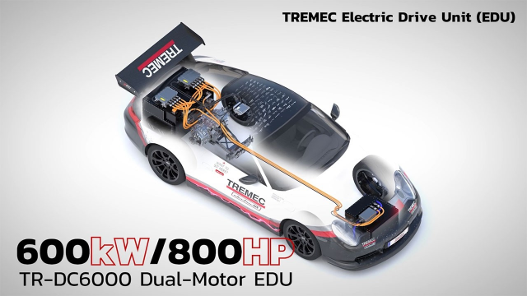
    Tremec, a leader in high-performance automotive technology, set out to electrify its latest test car to rigorously test new electric drivetrain components under real-world racing conditions.

    The challenge demanded a battery system capable of delivering sustained high power, advanced thermal management, and strict compliance with FIA Electric Sport Vehicle (ESV) safety and technical standards. PowerBattery partnered with Tremec to engineer a bespoke, FIA-compliant battery pack that meets these rigorous requirements.

    The custom solution features state-of-the-art cooling for optimal performance and lifespan, a lightweight and compact design for seamless integration, and rapid charging capabilities to minimize downtime during race and test events. With configurations offering up to 88.1 kWh capacity and peak discharge power exceeding 1,000 kW, the battery system ensures Tremec’s electric race car can deliver uncompromising performance and reliability on the track and during extreme testing of their new and innovative drivetrain components.

    This project leverages PowerBattery’s cross-industry expertise, applying knowledge from heavy equipment and demanding industrial applications to the motorsport arena. The result is a robust, innovative solution that not only meets but exceeds the highest standards in electric racing. PowerBattery continues to set benchmarks in battery innovation, powering the future of electric motorsport and supporting Tremec’s ambition for FIA-compliant, high-performance electrification.

    FIA-compliant battery system for high-performance electric racing, installed in Tremec test vehicle
    Download full case study (PDF)
  • Customer case: Swietelsky – Fully Electric Liebherr Excavator retrofit for Zero-Emission Rail Work

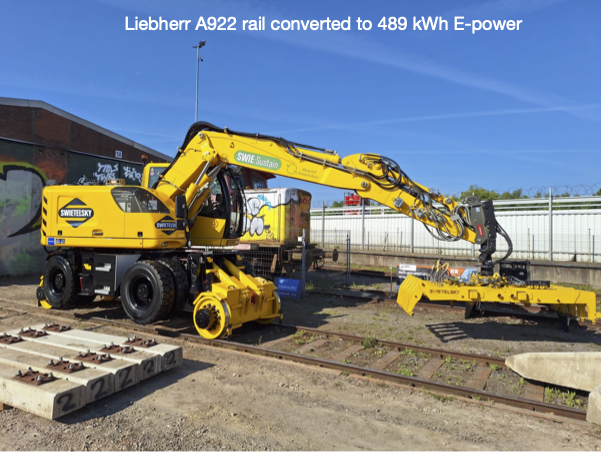
    Swietelsky Rail Benelux, one of Europe’s leading rail contractors, partnered with PowerBattery and Nijhuis Engineering to develop a fully electric Liebherr excavator, specifically designed for zero-emission rail construction.

    The challenge was to create a retrofit solution that would deliver maximum battery capacity, seamless integration, and uncompromising reliability—without sacrificing operator visibility, safety, machine operation or comfort.

    Standard retrofit battery packs often proved too bulky and lacked sufficient capacity for demanding, long-shift rail work. PowerBattery’s drop-in solution featured four battery packs, fully concealed within the excavator’s chassis, providing a total capacity of 489 kWh—significantly more than typical retrofits.

    The system is certified and includes advanced safety features, enabling up to 20 hours of continuous, quiet, emission-free operation. As a result, Swietelsky’s first fully electric rail excavator is now in daily use, paving the way for future expansion and demonstrating the viability of large-scale, zero-emission construction equipment for the rail industry.

    Four integrated battery packs in fully electric Liebherr excavator for Swietelsky Rail Benelux
    Download full case study (PDF)

Vorige pagina
1 … 4 5 6 7 8 … 12
Volgende pagina

Benieuwd hoe we jou kunnen helpen?

Power Battery is de one-stop-shop voor ontwikkeling, prototyping en productie van schaalbare energieoplossingen.

Ga naar contact pagina

Power Battery is de one-stop-shop voor ontwikkeling, prototyping en productie van schaalbare energieoplossingen.

Offerte

Vraag hier jouw offerte aan.

Bellen

Bel ons gerust +316 28226870

  • Scopes
  • Oplossingen
  • Technologie
  • Blog
  • Cases
  • Over ons
  • Contact
  • Offerte

More Power Battery?

Check our socials

  • LinkedIn
  • Instagram
  • Facebook
  • YouTube

Energy Storage Solutions B.V.
Power Battery
De Tienden 26
5674TB Nuenen
The Netherlands

+316 28226870
info@powerbattery.nl
Chamber of commerce: 77299000

  • Privacy
  • Terms and conditions
  • Contact

Copyrights © Energy Storage Solutions B.V.

  • Go to performance calculator
  • Get in contact