Power Battery Solutions
  • Scopes
    • High performance E-racing
    • Retrofit
    • Zwaar materieel
    • Industrie
    • Maritiem
    • Specials & Kennis
  • Oplossingen
    • Luchtgekoeld elektrisch
    • Hybride elektrisch
    • Vloeistofgekoeld elektrisch
  • Technologie
    • Batterijtypes & celchemieën
    • Batterijmodules
    • Koeltechnologie
    • Batterijpakketten
    • Datasheets
    • Power Battery calculator
    • 3D-Modellen
  • Over ons
    • Hoe we werken
  • E-INSIGHTS
Contact
Calculator
  • Customer case: Mining Equipment – Complete Drop-In Battery Pack Solution

    Electrification is transforming the mining industry, offering safer, cleaner, and more efficient operations in even the toughest environments. For Original Equipment Manufacturers (OEMs) aiming to future-proof their fleets, finding a reliable partner for advanced battery solutions is crucial.

    In this exclusive case study, PowerBattery shares how we delivered a complete drop-in battery pack solution for Rham Equipment—one of the world’s leading OEMs in the low profile mining sector.

    Within just six months, our team designed, engineered, and certified a fully integrated battery system tailored to withstand the harshest underground conditions, including extreme temperatures and demanding operational cycles. The result: a scalable, high-capacity battery platform that offers rapid charging, robust safety features, and minimal maintenance for end users.

    Download the full case study to discover how PowerBattery’s expertise enabled Rham Equipment to gain a strategic edge in the rapidly electrifying mining industry—delivering reliability, performance, and peace of mind with every charge.

    Drop-in battery solution for mining equipment – PowerBattery case study
    Download full case study (PDF)

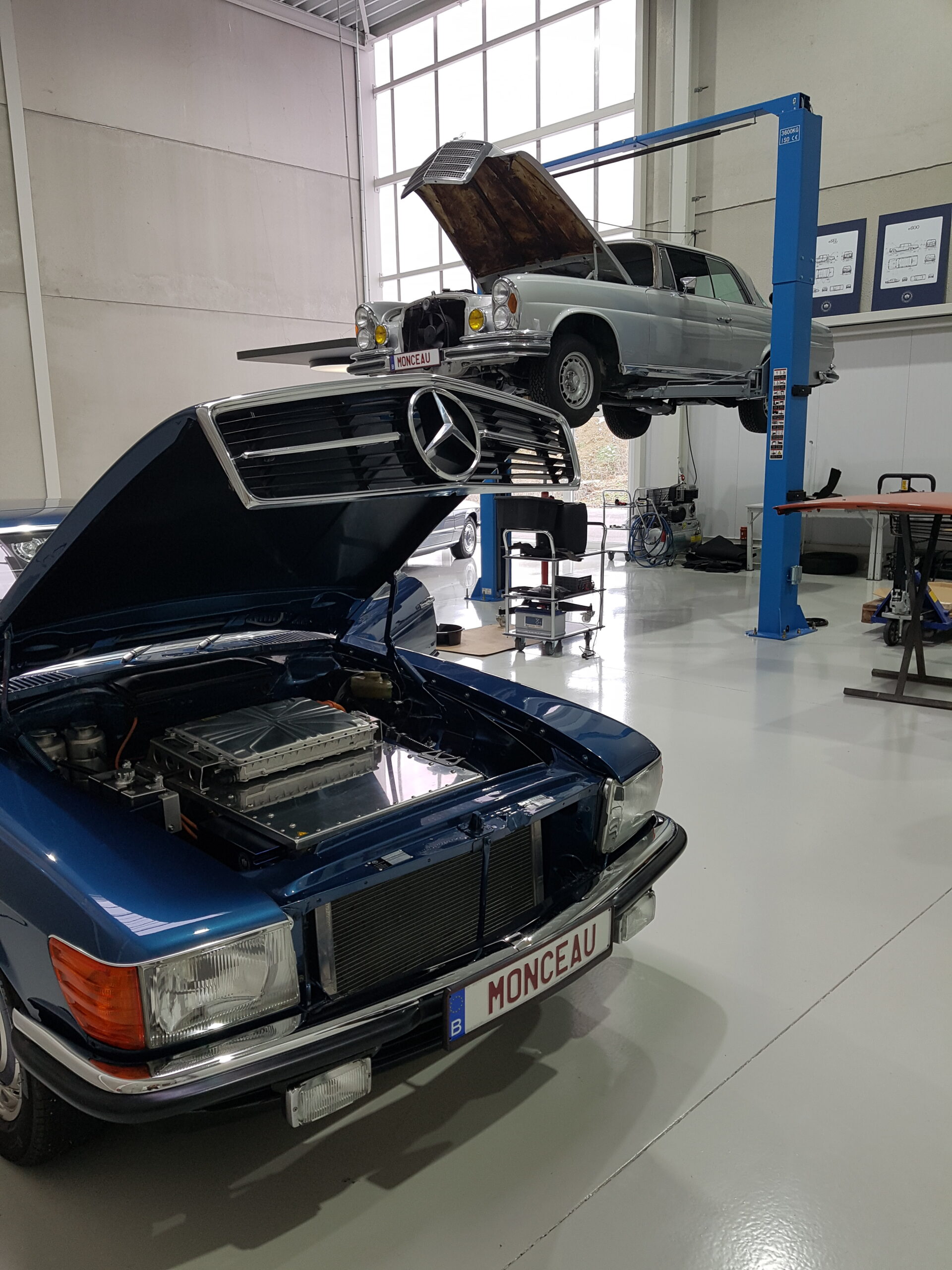
  • Customer case: PowerBattery Powers Monceau Automobiles’ Iconic Electric Mercedes-Benz Conversions

    PowerBattery is proud to showcase our latest collaboration with Monceau Automobiles, a leader in classic car electrification. In this case study, we detail how our team delivered a high-performance Mercedes electric conversion battery solution tailored to the unique requirements of retrofitting classic Mercedes-Benz vehicles.

    By working closely with Monceau Automobiles engineering team, we ensured optimal compatibility, safety, and efficiency for their electric conversions. Our advanced battery technology not only met strict automotive standards but also provided the reliability and range that customers demand.

    Through this partnership, Monceau Automobiles can now offer their clients cutting-edge electric mobility while preserving the timeless appeal of classic Mercedes cars. Download the full case study PDF to learn how PowerBattery’s expertise in custom battery solutions is driving the future of automotive electrification.

    Mercedes electric conversion battery pack installed by Monceau Automobiles
    Download full case study (PDF)

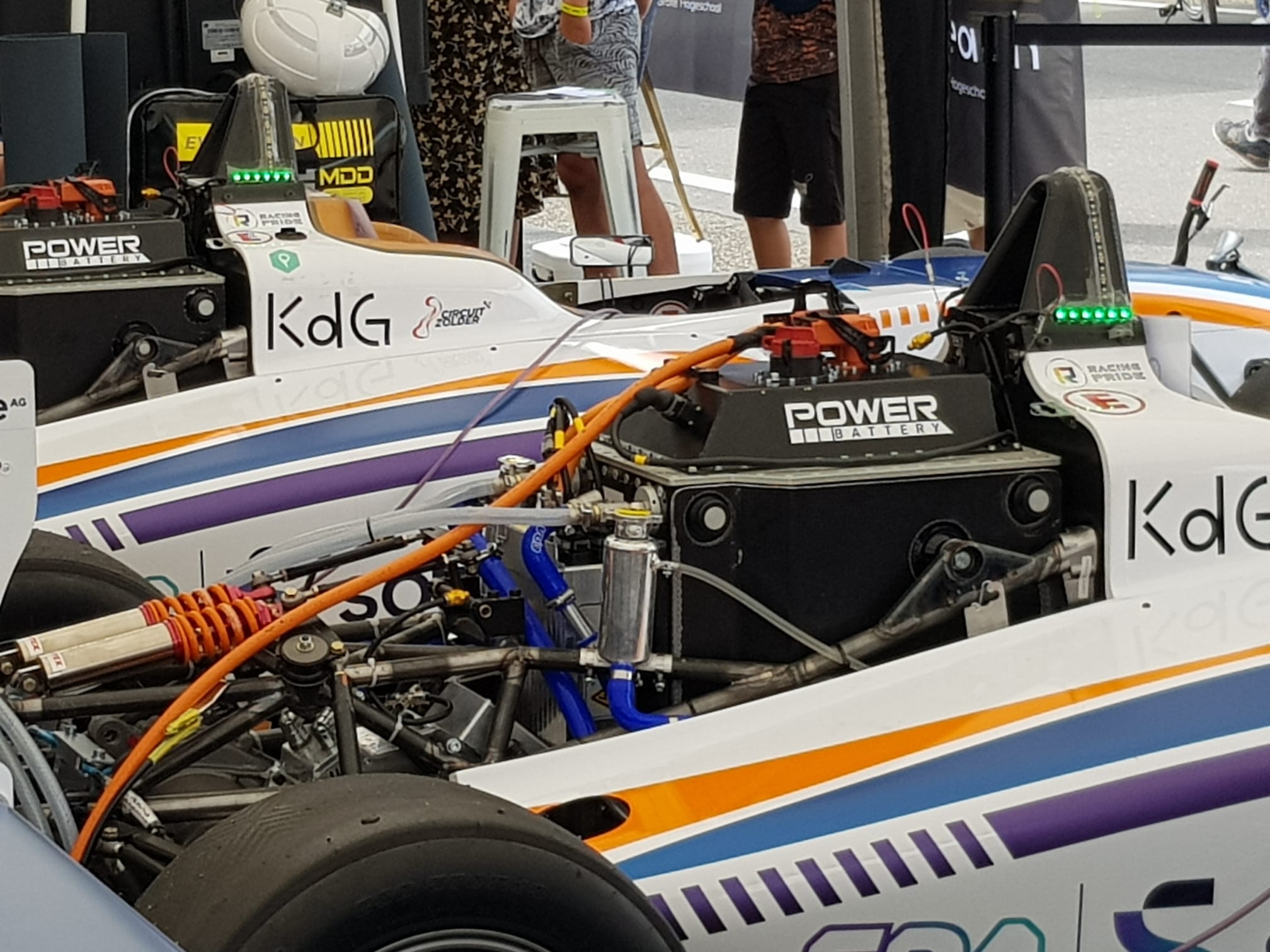
  • Customer case: PowerBattery Powers ERA Championship – Record-Breaking FIA-Tested Electric Racing

    Discover how PowerBattery enabled the ERA Championship (https://en.wikipedia.org/wiki/2022_ERA_Championship) with record-breaking FIA-tested electric racing battery technology.

    As the official battery partner, PowerBattery delivered custom, liquid-cooled packs that combine extreme power, rapid charging, and uncompromising safety—proven on the track and validated by FIA standards.

    ERA Championship electric racing battery
    Download full case study (PDF)
  • Custom battery system deployment represents one of the most critical phases in modern energy storage integration, where technical precision meets practical implementation. Whether you’re an OEM developing construction equipment, a manufacturer retrofitting rail vehicles, or an engineer working on maritime applications, the success of your project hinges on seamless battery integration strategies that address both immediate installation needs and long-term performance requirements.

    The complexity of custom battery solutions extends far beyond simply connecting wires and mounting components. Today’s energy storage integration demands a comprehensive understanding of thermal dynamics, electrical compatibility, safety protocols, and regulatory compliance. This guide explores six proven integration strategies that transform challenging battery system installations into smooth, efficient deployments that deliver reliable performance across diverse industrial applications.

    Pre-deployment system compatibility assessment

    The foundation of successful custom battery system deployment begins with a thorough compatibility assessment that evaluates every aspect of your existing infrastructure. This comprehensive evaluation process examines electrical systems, mechanical constraints, and environmental factors that will influence battery performance and integration success.

    Electrical compatibility forms the cornerstone of this assessment. Your existing voltage requirements, current capacity, and power distribution systems must align perfectly with the custom battery solution. This involves analysing peak power demands, continuous operating loads, and regenerative charging capabilities specific to your application. Construction equipment, for instance, requires different electrical profiles compared to rail vehicles or maritime systems.

    Space limitations present another critical evaluation point. Custom battery solutions must fit within existing mechanical constraints whilst maintaining optimal performance characteristics. This assessment includes clearance requirements for maintenance access, ventilation pathways for thermal management, and structural mounting points that can support the battery system’s weight and vibration loads.

    Environmental factors significantly impact battery system compatibility. Operating temperature ranges, humidity levels, vibration profiles, and exposure to dust or chemicals all influence system design requirements. Applications in extreme conditions, such as mining equipment operating in 50°C ambient temperatures, require specialised assessment protocols to ensure reliable performance.

    Modular design approach for flexible integration

    Modular energy storage architectures provide the flexibility needed to accommodate diverse OEM requirements whilst maintaining cost-effective manufacturing processes. This strategic approach enables scalable configurations that adapt to varying power demands, space constraints, and performance specifications across multiple product portfolios.

    The modular approach centres on standardised interfaces that simplify integration processes. These interfaces include mechanical mounting systems, electrical connections, and communication protocols that remain consistent across different battery configurations. This standardisation reduces development time, minimises custom tooling requirements, and enables efficient scaling from prototype to production volumes.

    Generic designs within modular architectures serve multiple applications simultaneously. A single battery module design can potentially serve construction equipment, rail applications, and industrial grid storage with appropriate scaling and configuration adjustments. This approach significantly reduces engineering costs and lead times whilst maintaining the customisation capabilities essential for specialised applications.

    Configuration flexibility allows manufacturers to adjust capacity, voltage, and physical dimensions without redesigning core components. This adaptability proves particularly valuable for smaller OEMs managing diverse product lines with varying electrification requirements. The modular approach enables efficient inventory management and reduces the complexity of supporting multiple custom battery solutions.

    Thermal management integration strategies

    Effective thermal management integration ensures optimal battery performance, longevity, and safety across all operating conditions. The choice between air-cooled and liquid-cooled systems depends on application requirements, with each approach offering distinct advantages for specific deployment scenarios.

    Air-cooled systems provide lightweight solutions ideal for mobile applications where weight constraints are critical. These systems rely on forced air circulation and strategic thermal interface materials to dissipate heat effectively. Integration involves coordinating airflow pathways with existing vehicle or equipment ventilation systems, ensuring adequate cooling without compromising other system functions.

    Liquid-cooled systems offer superior thermal management for high-power applications with extreme cycling demands. These systems require integration with coolant circulation, heat exchangers, and temperature monitoring systems. The integration process involves connecting cooling loops, positioning thermal interfaces, and synchronising cooling system operation with battery management protocols.

    Heat dissipation pathways must be carefully planned during integration to prevent thermal bottlenecks. This includes selecting appropriate thermal interface materials, positioning heat-generating components optimally, and ensuring adequate clearance for heat transfer. The integration strategy must also account for thermal expansion, ensuring mechanical integrity across operating temperature ranges.

    Safety protocols and regulatory compliance integration

    Comprehensive safety measures during battery system deployment protect personnel, equipment, and regulatory compliance across diverse industrial applications. Each sector, from construction and rail to maritime and aviation, presents unique safety requirements that must be integrated into the deployment strategy.

    Fail-safe mechanisms form the core of safety integration protocols. These systems include emergency shutdown procedures, thermal runaway protection, and electrical isolation capabilities. Integration involves connecting these safety systems with existing equipment controls, ensuring rapid response to potentially dangerous conditions without compromising operational functionality.

    Emergency shutdown procedures must be seamlessly integrated with existing safety systems. This includes connecting battery management systems with equipment emergency stops, implementing automatic disconnection protocols, and ensuring safe system shutdown sequences. The integration process requires careful coordination between battery safety systems and existing equipment safety protocols.

    Industry-specific regulations significantly influence safety integration requirements. Construction equipment operates under different safety standards compared to rail vehicles or maritime applications. The integration strategy must address these specific regulatory requirements whilst maintaining system functionality and performance. This includes proper documentation, testing protocols, and certification processes relevant to each application sector.

    What are the most common deployment challenges?

    Understanding frequent obstacles encountered during custom battery system installation enables proactive planning and more efficient deployment processes. These challenges typically arise from the intersection of technical requirements, physical constraints, and operational demands specific to each application.

    Space constraints represent the most frequent deployment challenge, particularly for retrofit applications. Existing equipment was not designed to accommodate battery systems, creating complex integration puzzles that require creative solutions. This challenge often involves relocating existing components, modifying mounting structures, or developing custom packaging solutions that fit within available space.

    Electrical compatibility issues frequently emerge during deployment, even after thorough pre-deployment assessment. These challenges include voltage regulation conflicts, grounding system incompatibilities, and communication protocol mismatches. Resolving these issues requires flexible integration approaches and sometimes on-site modifications to ensure proper system operation.

    Thermal management conflicts arise when battery cooling requirements compete with existing thermal systems. This challenge is particularly common in compact applications where space for additional cooling components is limited. Solutions often involve integrated thermal management approaches that serve both battery and equipment cooling needs.

    Timeline pressures affect smaller OEMs and specialised manufacturers who require rapid deployment to meet project deadlines. These pressures can lead to rushed integration processes that compromise long-term reliability. Effective deployment strategies must balance speed with thoroughness, ensuring proper integration without unnecessary delays.

    Post-deployment optimization and performance monitoring

    Continuous system optimisation after installation ensures long-term reliability and efficiency in demanding operating conditions. This ongoing process involves performance monitoring protocols, predictive maintenance scheduling, and adaptive control systems that evolve with changing operational requirements.

    Performance monitoring protocols track key system parameters including voltage, current, temperature, and state of charge across all operating conditions. These monitoring systems provide real-time data that enables proactive maintenance decisions and performance optimisation adjustments. Integration with existing equipment monitoring systems provides comprehensive operational visibility.

    Predictive maintenance scheduling uses performance data to anticipate maintenance needs before problems occur. This approach reduces unexpected downtime and extends battery system life through optimal maintenance timing. The scheduling systems integrate with existing maintenance protocols, ensuring coordinated service activities that minimise operational disruption.

    Adaptive control systems continuously optimise battery performance based on actual operating conditions and usage patterns. These systems adjust charging profiles, power delivery characteristics, and thermal management parameters to maximise efficiency and longevity. The adaptive approach ensures optimal performance as operating conditions change over time.

    Long-term reliability in extreme operating conditions requires ongoing attention to system performance trends and environmental factors. This includes monitoring degradation patterns, adjusting operating parameters for changing conditions, and implementing upgrades that enhance system capabilities. The optimisation process ensures that custom battery solutions continue delivering reliable performance throughout their operational life.

    Successful custom battery system deployment requires careful attention to each integration strategy, from initial compatibility assessment through long-term performance optimisation. These proven approaches enable seamless integration that delivers reliable, efficient energy storage solutions across diverse industrial applications. When evaluating different approaches to energy storage implementation, consider exploring custom versus standard suppliers to determine the most suitable solution for your specific deployment requirements. If you’re planning a custom battery system deployment and need expert guidance tailored to your specific requirements, we invite you to contact our team for personalised consultation and support.

  • Converting a classic car to electric power or building a custom EV sounds exciting until you face the battery selection process. Many first-time retrofitters dive in without understanding the complexities involved, leading to costly mistakes that could have been easily avoided. The battery pack is the heart of your EV retrofit project, and choosing the wrong one can turn your dream build into a nightmare of poor performance, safety issues, and unexpected expenses.

    This guide walks you through the most common pitfalls that trip up EV retrofit enthusiasts and shows you exactly how to sidestep them. Whether you’re converting a vintage sports car or building a custom electric racer, these insights will save you time, money, and frustration.

    1: Underestimating your power requirements

    You’ve probably heard horror stories about EVs that can barely climb a hill or struggle to maintain highway speeds. This usually happens when builders underestimate their power needs during the planning phase. The problem isn’t just about having enough juice for normal driving – you need to account for peak power demands during acceleration, hill climbing, and overtaking.

    Different vehicle types have vastly different power requirements. A lightweight sports car conversion might need 200-300 horsepower for thrilling performance, whilst a heavy commercial vehicle could require 400+ horsepower just to move efficiently. Don’t forget that electric power EV systems need extra capacity beyond your calculated minimums to handle unexpected demands and maintain battery longevity.

    Start by calculating your vehicle’s weight, desired acceleration times, and maximum speed requirements. Factor in a 20-30% buffer above your calculated needs to ensure your battery pack can deliver consistent performance without being constantly stressed to its limits.

    2: Ignoring weight distribution and vehicle balance

    Throwing a heavy battery pack wherever it fits is a recipe for disaster. Poor weight distribution can make your converted vehicle handle like a shopping trolley with a wonky wheel. The battery pack’s placement affects everything from cornering ability to braking performance, and getting it wrong can create dangerous handling characteristics.

    Traditional internal combustion engines sit over the front axle, but batteries offer more flexibility in placement. You can distribute weight more evenly by splitting battery modules between the front and rear of the vehicle, or create a low centre of gravity by mounting packs under the floor. The key is maintaining proper front-to-rear balance whilst keeping the centre of gravity as low as possible.

    Consider how Formula E battery packs are designed with weight distribution in mind – they’re engineered to enhance vehicle dynamics rather than compromise them. Map out your vehicle’s original weight distribution and plan your battery placement to improve or maintain optimal balance.

    3: Choosing the wrong battery chemistry for your application

    Not all batteries are created equal, and choosing the wrong chemistry for your specific application can lead to poor performance, shortened lifespan, or safety issues. Lithium-ion might be the popular choice, but within that category, you’ll find numerous variants, each with distinct characteristics that make them suitable for different applications.

    Lithium iron phosphate (LiFePO4) batteries offer excellent safety and longevity but have lower energy density. Lithium nickel manganese cobalt (NMC) batteries provide high energy density but require more sophisticated thermal management. For high-performance applications like e-racing battery systems, you might need lithium polymer cells that can handle extreme discharge rates.

    Match your battery chemistry to your priorities. If you’re building a daily driver, prioritise safety and longevity. For a weekend track car, focus on power density and discharge rates. Racing applications might justify the complexity of advanced new battery technology for electric cars, whilst a classic car conversion might benefit from the simplicity of more established chemistries.

    4: Overlooking thermal management requirements

    Batteries generate heat during charging and discharging, and excessive heat is the enemy of battery performance and longevity. Many retrofit builders underestimate the importance of proper cooling systems, leading to reduced range, shortened battery life, and potential safety hazards.

    Air cooling might seem simpler and cheaper, but it’s often inadequate for high-performance applications or hot climates. Liquid cooling systems are more complex but provide superior temperature control, especially important for high-discharge applications. The choice between cooling methods depends on your battery chemistry, power requirements, and operating environment.

    Don’t assume that because your battery pack fits in the available space, it will stay cool enough to operate safely. Plan your thermal management strategy from the beginning, not as an afterthought. Consider ambient temperatures, charging speeds, and discharge rates when designing your cooling system.

    5: Skipping proper battery management system integration

    A battery management system (BMS) is your safety net, monitoring cell voltages, temperatures, and current flow to prevent dangerous conditions. Skipping proper BMS integration or choosing an incompatible system is like driving without brakes – it might work initially, but it’s only a matter of time before something goes wrong.

    The BMS needs to communicate effectively with your motor controller, charger, and other vehicle systems. Compatibility issues can lead to charging problems, reduced performance, or safety shutdowns at inconvenient times. Different battery chemistries require different BMS parameters, and mismatched systems can fail to protect your expensive battery pack.

    Invest in a quality BMS that’s designed for your specific battery chemistry and application. Ensure it can handle your maximum current requirements and integrates properly with your other systems. A good BMS will also provide valuable data about your battery’s health and performance over time.

    6: Misjudging space constraints and packaging needs

    Measuring the available space in your vehicle and assuming any battery pack that fits will work is a common mistake. You need to account for cooling systems, wiring, mounting hardware, and access for maintenance. What looks like plenty of space on paper often becomes cramped when you start installing real components.

    Modular battery designs offer flexibility but require more complex wiring and monitoring systems. Single large packs might be simpler to manage but offer less flexibility in packaging. Consider how you’ll route high-voltage cables, mount cooling systems, and access individual modules for maintenance.

    Think about the installation process as well as the final configuration. Can you actually get the battery pack into position, or will you need to modify the vehicle structure? Plan for thermal expansion, vibration isolation, and crash protection when designing your battery packaging.

    7: Neglecting safety standards and certifications

    Safety standards aren’t just bureaucratic hurdles – they’re designed to prevent fires, explosions, and other catastrophic failures. Ignoring relevant safety certifications can leave you with an uninsurable vehicle and potential legal liability if something goes wrong.

    Different regions have different requirements for EV conversions, and what’s acceptable in one area might not be legal in another. Some insurance companies won’t cover vehicles with uncertified battery systems, whilst others might require professional installation certificates.

    Research the safety standards that apply to your project before selecting your battery system. Look for batteries that meet or exceed relevant certifications, and ensure your installation follows proper safety protocols. The extra cost of certified components is minimal compared to the potential consequences of cutting corners on safety.

    8: Underestimating charging infrastructure compatibility

    Your beautiful EV conversion won’t be much use if you can’t charge it conveniently. Different battery configurations require different charging approaches, and compatibility with existing charging infrastructure should influence your battery selection from the beginning.

    Voltage levels affect charging speed and compatibility with different charger types. A 400V system might charge faster than a 200V system but requires different charging equipment. Consider both AC charging for home use and DC fast charging for longer journeys when planning your battery configuration.

    Think about your charging habits and infrastructure availability. If you primarily charge at home, optimise for AC charging efficiency. If you need fast charging for long trips, ensure your battery system can handle high-power DC charging without thermal issues.

    9: Failing to plan for maintenance and serviceability

    Batteries don’t last forever, and individual cells or modules may need replacement over your vehicle’s lifetime. Designing your battery installation without considering future maintenance needs can turn simple repairs into expensive, time-consuming ordeals.

    Modular designs make it easier to replace individual sections, but they require more complex monitoring and balancing systems. Consider how you’ll access battery modules for testing, replacement, or upgrades. Will you need to remove the entire pack to service one module, or can you access individual sections easily?

    Plan for diagnostic access as well as physical maintenance. Your BMS should provide detailed information about individual cell health, and you should be able to access this data without dismantling the vehicle. Good serviceability planning will save you time and money throughout your EV’s lifetime.

    10: What happens when you rush the selection process?

    Rushing battery selection to meet project deadlines or budget constraints often leads to expensive mistakes that cost more in the long run. Hasty decisions can result in incompatible systems, poor performance, safety issues, or the need to completely redesign your installation.

    Taking time to properly evaluate all factors – power requirements, weight distribution, thermal management, safety standards, and future maintenance needs – pays dividends in the final result. A well-planned battery selection process might take longer initially, but it prevents costly mistakes and ensures your EV conversion meets your expectations.

    Consider consulting with experienced professionals who understand the complexities of EV battery systems. Their expertise can help you avoid common pitfalls and make informed decisions based on your specific requirements and constraints.

    Making the right choice for your EV retrofit project

    Successful EV retrofits start with careful battery selection that considers all aspects of your project. From power requirements and weight distribution to safety standards and future maintenance, every factor plays a role in your conversion’s success. The mistakes outlined above are entirely avoidable with proper planning and expert guidance.

    Remember that battery technology continues to evolve rapidly, with new solutions emerging regularly for different applications. Whether you’re building a high-performance e-racing battery system or converting a classic car for daily driving, the right battery selection will make or break your project. Understanding smart automotive applications can help you make more informed decisions about your retrofit project.

    Don’t let the complexity of battery selection overwhelm you. Take time to understand your requirements, research your options thoroughly, and work with experienced partners who can guide you through the process. If you’re ready to start your EV retrofit project and want expert advice on battery selection, we’re here to help – contact us to discuss your specific requirements and explore the best solutions for your conversion.


  • The automotive industry is experiencing its most dramatic transformation since the invention of the internal combustion engine. As manufacturers race to electrify their fleets, power battery modules have emerged as the flexible backbone enabling this revolution. Unlike traditional fixed battery packs, modular systems offer unprecedented customisation and scalability. This adaptability is transforming everything from daily commuters to Formula E racing cars, making electric power more accessible and practical than ever before.

    1. Electric passenger vehicles with custom range requirements

    Modern electric vehicle manufacturers face a challenging puzzle: how do you satisfy the city dweller who needs just 150 kilometres of range whilst also serving the long-distance traveller requiring 500+ kilometres? Power battery modules solve this dilemma by allowing manufacturers to scale battery capacity precisely to match different customer needs and price points.

    This modular approach means you can choose exactly the range you need without paying for unnecessary capacity. A compact city car might use four battery modules for urban commuting, whilst the same platform could accommodate eight modules for extended touring capability. Manufacturers benefit from simplified production lines and reduced inventory complexity, whilst customers enjoy more targeted pricing.

    The flexibility extends beyond initial purchase decisions. As new battery technology for electric cars continues advancing, modular systems can potentially allow future upgrades without replacing the entire vehicle. This approach represents a fundamental shift from the one-size-fits-all mentality that has dominated automotive design for decades.

    2. Commercial fleet electrification solutions

    Commercial vehicles present unique challenges for electrification due to their diverse operational requirements. A delivery van making short urban routes has completely different energy needs compared to a long-haul lorry or a refuse collection vehicle with frequent stop-start cycles. Modular battery systems address these varied demands by enabling purpose-built energy solutions for each application.

    Fleet operators can now specify battery configurations that match their exact duty cycles and payload requirements. This precision prevents over-engineering expensive battery capacity that won’t be used, whilst ensuring adequate power for demanding applications. The modular approach also simplifies maintenance schedules, as individual modules can be serviced or replaced without taking vehicles out of service for extended periods.

    The economic benefits are substantial. Fleet managers can optimise their total cost of ownership by matching battery investment to actual usage patterns, rather than purchasing oversized systems based on worst-case scenarios.

    3. High-performance racing and sports car applications

    The racing world demands extreme performance with minimal weight penalties, making Formula E battery packs and e-racing battery systems perfect examples of modular technology’s potential. Racing teams require the ability to fine-tune power delivery characteristics for specific tracks and racing conditions, something impossible with fixed battery architectures.

    Modular systems allow engineers to achieve optimal power-to-weight ratios by using exactly the number of modules needed for each race distance and strategy. Different module configurations can provide varying power curves, enabling teams to optimise for either sustained high-speed performance or explosive acceleration depending on track characteristics.

    This technology isn’t limited to professional motorsport. High-performance sports cars benefit from the same principles, allowing manufacturers to offer different performance tiers using the same basic platform. The modular approach also enables rapid development of special editions or track-focused variants without extensive re-engineering.

    4. Hybrid system integration for maximum efficiency

    Hybrid vehicles represent one of the most complex applications for power battery modules, as they must work seamlessly alongside traditional engines or fuel cells. The modular approach enables engineers to create sophisticated energy management systems that optimise power flow between different sources based on driving conditions and efficiency requirements.

    These hybrid system advantages can be configured to prioritise different objectives: maximum fuel economy, enhanced performance, or extended electric-only range. The modular design allows for intelligent load balancing between battery modules, ensuring optimal battery life whilst delivering consistent performance across all driving scenarios.

    The flexibility of modular systems also enables manufacturers to offer hybrid variants across their entire model range without developing completely separate platforms. This scalability makes hybrid technology more economically viable for both manufacturers and consumers.

    5. What makes retrofitting older vehicles possible?

    Converting existing vehicles to electric power presents unique packaging challenges, as battery systems must fit within spaces originally designed for fuel tanks and exhaust systems. Modular battery technology makes these conversions feasible by allowing flexible placement configurations that work around existing chassis constraints.

    Retrofit specialists can distribute smaller battery modules throughout the vehicle to maintain proper weight distribution whilst avoiding major structural modifications. This approach preserves the vehicle’s original handling characteristics and safety systems, making conversions more practical and cost-effective.

    The modular approach also enables staged conversions, where additional battery capacity can be added over time as budget allows or as improved modules become available. This flexibility makes electric conversion accessible to a broader range of vehicle owners and applications.

    6. Specialised automotive applications in extreme conditions

    Mining equipment, construction vehicles, and other specialised machinery operate in harsh environments that demand robust, reliable energy storage solutions. These applications often require custom power profiles and exceptional durability that standard automotive batteries cannot provide.

    Modular systems enable engineers to create application-specific configurations using ruggedised modules designed for extreme temperatures, vibration, and contamination exposure. Individual modules can be replaced in the field without specialised facilities, reducing downtime in remote operational locations.

    The scalability of modular systems also allows equipment manufacturers to offer different performance tiers for various applications, from light construction equipment to massive mining vehicles, all using proven module designs adapted to specific requirements.

    The future of automotive power is modular

    Power battery modules are fundamentally changing how we think about automotive energy storage. Rather than forcing vehicles into predetermined categories, modular systems enable manufacturers to create precisely tailored solutions for every application, from urban commuting to extreme industrial use.

    This flexibility benefits everyone in the automotive ecosystem. Manufacturers can reduce development costs and complexity whilst offering greater customer choice. Vehicle owners get exactly the capability they need without paying for unused capacity. Service providers can maintain and upgrade systems more efficiently.

    As the industry continues evolving towards complete electrification, the versatility and adaptability of modular battery systems will become increasingly important. The technology enables rapid innovation and customisation that simply isn’t possible with traditional fixed battery architectures.

    Whether you’re considering electrifying a commercial fleet, developing a high-performance vehicle, or exploring retrofit options for existing vehicles, modular battery technology offers solutions that can be precisely matched to your specific requirements. If you’re ready to explore how modular power systems could benefit your automotive project, we’d be happy to discuss your specific needs and help you find the optimal configuration. Please don’t hesitate to contact us to learn more about the possibilities.

  • Electric racing pushes battery technology to its absolute limits. When you’re dealing with extreme acceleration, sustained high-power output, and split-second timing that can determine victory, every component needs to perform flawlessly. Traditional air-cooled battery systems simply can’t handle the intense demands of competitive electric racing, where temperatures can spike dramatically and power delivery must remain consistent throughout the entire race. That’s where liquid-cooled battery technology steps in to revolutionise electric power EV performance on the track.

    1. Superior heat dissipation under extreme conditions

    Racing environments create the perfect storm for battery overheating. During intense acceleration phases and sustained high-speed sections, your e-racing battery generates enormous amounts of heat that must be managed effectively. Liquid cooling systems excel here by using coolant that flows directly around battery cells, absorbing heat far more efficiently than air-based systems ever could.

    The physics are straightforward – liquids have much higher thermal conductivity than air, meaning they can absorb and transfer heat away from critical components much faster. This becomes particularly important during those crucial moments when you need maximum power output for overtaking or defending position. With liquid cooling, your battery cells maintain optimal operating temperatures even when pushed to their performance limits.

    Unlike air cooling systems that rely on fans and ambient temperature, liquid cooling provides consistent thermal management regardless of external conditions. Whether you’re racing in scorching desert heat or humid coastal climates, your cooling system maintains the same level of performance, giving you predictable power delivery when it matters most.

    2. Consistent power delivery throughout the race

    Power throttling is the enemy of competitive racing. When battery temperatures rise beyond safe operating limits, the battery management system automatically reduces power output to prevent damage. This thermal throttling can strike at the worst possible moment – during a crucial overtaking manoeuvre or whilst defending your position.

    Liquid-cooled systems prevent this scenario by maintaining consistent operating temperatures throughout the entire race duration. Your Formula E Battery Packs can deliver full power from the starting grid to the chequered flag without the performance degradation that plagues air-cooled alternatives. This consistency translates directly into competitive advantage on the track.

    The temperature stability also means your energy management strategies become more predictable. You can calculate power consumption and regeneration rates with greater accuracy, allowing for more aggressive race strategies without the fear of unexpected power limitations due to thermal issues.

    3. Extended battery lifespan and reliability

    Heat is the silent killer of battery cells. Every degree above optimal operating temperature accelerates chemical degradation within the cells, reducing both capacity and overall lifespan. In racing applications where batteries represent significant investments, this degradation can quickly become costly.

    Liquid cooling systems maintain cells within their ideal temperature range, dramatically reducing thermal stress and the associated degradation. This means your battery packs maintain their performance characteristics longer, providing consistent power output across multiple race seasons rather than gradually declining after just a few events.

    The reliability benefits extend beyond just longevity. Temperature-controlled environments reduce the likelihood of cell failures, voltage imbalances, and other thermal-related issues that can sideline your vehicle during critical racing moments. For racing teams, this reliability translates into fewer DNFs (Did Not Finish) due to battery-related failures. These reliability under load characteristics become essential when every race point matters in championship standings.

    4. Enhanced safety through temperature control

    Safety in electric racing isn’t just about driver protection – it’s about preventing dangerous thermal events that could affect everyone at the track. Thermal runaway, where battery cells overheat and potentially catch fire, represents one of the most serious risks in electric vehicle racing.

    Liquid cooling systems provide multiple layers of safety protection. The cooling system itself acts as a heat sink, preventing dangerous temperature spikes that could trigger thermal runaway. Additionally, liquid cooling systems typically include sophisticated temperature monitoring throughout the battery pack, providing early warning of potential issues before they become dangerous.

    The controlled thermal environment also allows for better integration with fire suppression systems and emergency protocols. Racing officials and safety crews can respond more effectively when they have real-time temperature data and confidence that the cooling system is actively managing thermal risks.

    5. Optimised weight distribution and packaging flexibility

    Aerodynamics and weight distribution are crucial in racing, and liquid cooling systems offer significant advantages in both areas. The compact nature of liquid cooling components allows for more flexible battery pack designs that can be optimised for the vehicle’s centre of gravity and aerodynamic requirements.

    Unlike bulky air cooling systems that require large fans, ducts, and air circulation space, liquid cooling uses slim tubes and compact pumps that can be routed efficiently throughout the vehicle. This flexibility allows engineers to position battery cells in optimal locations for weight distribution without compromising cooling performance.

    The packaging advantages become particularly important when integrating new battery technology for electric cars into existing chassis designs. Liquid cooling systems can adapt to space constraints and unusual mounting requirements that would be impossible with traditional air cooling approaches.

    Making the right choice for your racing application

    The benefits of liquid-cooled batteries in electric racing applications are clear – superior thermal management, consistent performance, enhanced safety, and design flexibility all contribute to competitive advantages on the track. These systems represent the current state-of-the-art in high-performance electric vehicle applications, from professional Formula E racing down to amateur track day events.

    When considering liquid cooling for your racing application, factors such as power requirements, race duration, ambient operating conditions, and packaging constraints all play important roles in system design. The initial investment in liquid cooling technology pays dividends through improved performance, reduced maintenance costs, and enhanced safety margins.

    Whether you’re building a professional racing vehicle or developing advanced electric power systems, liquid cooling represents the most effective solution for managing the thermal challenges of high-performance battery applications. If you’re ready to explore how liquid-cooled battery systems can enhance your racing performance, we’d love to discuss your specific requirements and help you find the optimal solution – simply contact our team to get started.

  • Industrial fleets are rapidly shifting toward electrification, creating unprecedented demand for flexible energy solutions. Traditional fixed-capacity battery systems can’t keep pace with the evolving needs of modern operations, where seasonal demands, route changes, and equipment modifications require adaptable power solutions. Scalable battery systems offer the flexibility that fleet operators need to optimise their operations whilst managing costs effectively. These modular energy storage solutions provide the foundation for sustainable fleet electrification across diverse industrial applications.

    1. Flexible capacity adjustment for changing operational needs

    Scalable battery systems revolutionise how fleet operators manage their energy requirements by allowing real-time capacity adjustments. Unlike traditional fixed systems, modular designs enable you to add or remove battery modules based on your operational demands without replacing the entire system.

    This flexibility proves invaluable when your fleet faces seasonal variations, such as increased delivery demands during peak periods or reduced capacity requirements during quieter months. You can easily reconfigure your battery setup to match route changes, equipment modifications, or shifts in operational priorities.

    Whether you’re operating a heavy equipment battery pack for construction machinery or managing a diverse fleet of commercial vehicles, the ability to scale capacity up or down ensures optimal energy allocation across your operations. This adaptability extends to new battery technology for electric applications, where evolving power requirements can be met through simple module additions rather than complete system overhauls.

    2. Lower initial investment with gradual expansion options

    Modular battery systems significantly reduce the financial barriers to fleet electrification by allowing you to start with smaller configurations and expand over time. This approach spreads your capital investment across multiple operational phases rather than requiring substantial upfront expenditure.

    You can begin with a basic configuration that meets your immediate needs, then gradually add modules as your operations grow or as budget allows. This phased approach makes electrification accessible to businesses of all sizes, from small operators to large industrial fleets.

    The modular approach also reduces financial risk by allowing you to test and validate battery performance in your specific applications before committing to full-scale deployment. Whether implementing a maritime battery pack for vessel operations or electrifying ground-based equipment, this gradual expansion strategy ensures optimal return on investment whilst maintaining operational continuity.

    3. Simplified maintenance and component replacement

    Modular battery design transforms maintenance from a complex, system-wide operation into targeted, component-specific servicing. Individual modules can be serviced, repaired, or replaced without shutting down your entire fleet, minimising operational disruptions and maintaining productivity.

    This approach enables you to develop targeted maintenance schedules based on actual module performance rather than arbitrary timelines. You can identify and address issues at the component level, preventing small problems from escalating into major system failures.

    The standardised nature of modular components also simplifies training for your maintenance teams. Technicians only need to master one module design rather than multiple different systems, improving service quality and reducing the likelihood of maintenance errors. This streamlined approach proves particularly valuable for complex applications like heavy equipment battery pack maintenance, where downtime costs can be substantial.

    4. Enhanced system reliability through redundancy

    Multiple battery modules create inherent backup power capabilities within your system, ensuring continued operation even when individual components require attention. This redundancy provides peace of mind and operational security that single-unit systems simply cannot match.

    When one module experiences issues or requires maintenance, the remaining modules continue providing power to your fleet. This distributed approach to energy storage means that partial system failures don’t result in complete operational shutdowns.

    The reliability benefits extend beyond simple backup power. Modular systems can be configured with intentional overcapacity, allowing you to maintain full operational capability even during scheduled maintenance periods. This redundancy proves essential for mission-critical applications, including maritime battery pack installations where system failure could compromise vessel safety.

    5. Optimised energy efficiency across different applications

    Scalable systems excel at matching specific energy requirements for different vehicles and equipment types within your fleet. Rather than using oversized batteries for smaller applications or underpowered systems for demanding tasks, you can configure each installation for optimal efficiency.

    This targeted approach maximises battery life by preventing overcharging and deep discharge cycles that can damage traditional fixed-capacity systems. Each application receives precisely the energy storage capacity it requires, improving overall fleet efficiency.

    The flexibility extends to accommodating new battery technology for electric applications as it becomes available. You can integrate advanced modules alongside existing ones, creating hybrid configurations that optimise performance across your entire fleet whilst maintaining compatibility with established systems.

    6. Future-proofing against technological advances

    Modular architecture provides exceptional technology integration capabilities, allowing you to incorporate newer battery technologies and components as they become available. This approach protects your long-term investment value by preventing technological obsolescence.

    Rather than replacing entire systems when better technology emerges, you can selectively upgrade individual modules or add new components that enhance overall performance. This evolutionary approach to fleet electrification ensures your systems remain current with industry developments.

    The modular design also accommodates emerging standards and protocols in battery management systems, charging infrastructure, and safety requirements. Your investment remains relevant and compliant as regulations and industry standards evolve, providing long-term value protection.

    7. Streamlined inventory management and spare parts

    Standardised modular components dramatically simplify inventory complexity whilst enabling bulk purchasing advantages. Instead of maintaining diverse spare parts for multiple different systems, you can focus on standardised modules that serve your entire fleet.

    This standardisation reduces storage requirements, simplifies parts ordering, and enables volume discounts through bulk purchasing. Your maintenance teams benefit from simplified inventory management, reducing the likelihood of stockouts or excessive inventory carrying costs.

    The approach proves particularly valuable for organisations operating diverse fleets with different battery requirements. Whether managing heavy equipment battery pack inventory or maintaining maritime battery pack spare parts, standardised modules create efficiency gains across your entire operation.

    8. Ideal solution for mixed fleet operations

    Modular battery systems excel in environments where multiple vehicle types and applications operate within a single fleet. The same standardised components can serve light commercial vehicles, heavy industrial equipment, and specialised machinery through different configuration approaches.

    This versatility eliminates the need for multiple different battery systems, reducing training requirements, maintenance complexity, and inventory management challenges. Your teams can become expert in one modular system rather than managing multiple different technologies.

    The standardised approach also simplifies fleet expansion and equipment changes. New vehicles or equipment can be integrated using existing battery modules, reducing procurement time and ensuring compatibility with established maintenance procedures and charging infrastructure. These advantages become even more pronounced when implementing equipment efficiency improvements across diverse fleet applications.

    9. Reduced total cost of ownership over system lifetime

    The comprehensive cost benefits of scalable battery systems extend far beyond initial purchase price, delivering substantial long-term savings through reduced replacement costs, extended system life, and improved operational efficiency.

    Modular upgrades cost significantly less than complete system replacements, allowing you to maintain current technology without major capital expenditure. The ability to replace individual components rather than entire systems extends overall system life and reduces waste.

    Operational efficiency improvements through optimised energy allocation, reduced maintenance downtime, and simplified fleet management create ongoing cost savings that compound over time. These benefits make scalable systems an intelligent long-term investment for any industrial fleet considering electrification.

    Making the switch to scalable battery technology

    Scalable battery systems represent a fundamental shift in how industrial fleets approach electrification, offering flexibility, reliability, and cost-effectiveness that traditional fixed systems simply cannot match. The modular approach addresses the real-world challenges of fleet operations whilst providing a clear path toward sustainable electrification.

    The benefits extend across every aspect of fleet management, from reduced initial investment and simplified maintenance to enhanced reliability and future-proofing capabilities. Whether you’re operating heavy equipment, managing a maritime fleet, or running mixed commercial operations, scalable battery technology provides the foundation for successful electrification.

    Evaluating your readiness for scalable battery implementation involves assessing your current fleet composition, operational patterns, and growth plans. The modular approach accommodates diverse requirements and allows for gradual implementation that aligns with your operational and financial objectives. If you’re ready to explore how scalable battery systems can transform your fleet operations, we’d be happy to discuss your specific requirements and help you develop an optimal electrification strategy. Please contact us to learn more about our custom modular energy storage solutions.

  • Industrial operations are constantly searching for ways to boost efficiency whilst reducing costs and downtime. Traditional battery systems often fall short when it comes to meeting the demanding requirements of modern industrial equipment. Modular battery technology offers a game-changing solution that’s transforming how businesses power their operations. These innovative systems provide unprecedented flexibility, reliability, and performance that traditional batteries simply can’t match.

    1. Flexible power scaling matches equipment demands

    One of the biggest advantages of modular battery systems is their ability to scale power output precisely to match your equipment’s requirements. Unlike traditional fixed-capacity batteries, modular systems let you add or remove battery modules to create the exact power configuration you need. This means you’re never stuck with an oversized system that wastes money or an undersized one that can’t handle peak loads.

    The scalability benefits extend beyond initial installation. As your operations grow or change, you can easily reconfigure your battery setup without replacing the entire system. This flexibility is particularly valuable for heavy equipment battery pack applications where power demands can vary significantly between different machines or operational phases.

    This approach prevents the common problems of over-engineering or under-powering equipment, ensuring you get optimal performance whilst keeping costs under control.

    2. Reduced downtime through hot-swappable modules

    Traditional battery maintenance often requires shutting down entire systems, leading to costly operational interruptions. Modular battery designs eliminate this problem through hot-swappable modules that can be replaced whilst the system continues running. This capability transforms maintenance from a disruptive necessity into a seamless background process.

    The maintenance advantages are particularly significant for continuous operations where downtime translates directly into lost revenue. When a module needs servicing, technicians can replace it in minutes without affecting the remaining system. This approach ensures operational continuity even during maintenance periods.

    For maritime applications, this reliability is absolutely vital. A maritime battery pack built with modular technology can maintain power to critical systems even when individual modules require attention, ensuring safety and operational capability at sea.

    3. Enhanced thermal management prevents overheating

    Heat is one of the biggest enemies of battery performance and longevity. Modular battery systems incorporate advanced cooling mechanisms that distribute heat more effectively than traditional designs. Each module can be individually cooled, preventing hot spots that typically plague large, monolithic battery packs.

    The improved thermal management directly impacts equipment performance by maintaining consistent power output even under demanding conditions. When batteries operate at optimal temperatures, they deliver more reliable performance and last significantly longer. This temperature control becomes increasingly important as power demands increase.

    Extended operational life is another major benefit of superior thermal management. By keeping individual modules within ideal temperature ranges, the entire system experiences less thermal stress, resulting in longer service life and better return on investment.

    4. Optimised energy distribution improves performance

    Modular systems excel at distributing power efficiently across industrial equipment through sophisticated load balancing capabilities. Rather than drawing power from a single large source, these systems can intelligently manage power flow from multiple modules, ensuring optimal distribution based on real-time demands.

    The power management advantages become apparent during variable load conditions. When equipment requires sudden power surges, modular systems can quickly redistribute load across available modules, preventing any single component from becoming overwhelmed. This intelligent distribution maintains system stability and performance.

    Load balancing also helps extend overall system life by ensuring no individual module is consistently overworked. This even distribution of workload means all components age at similar rates, making maintenance more predictable and cost-effective.

    5. Lower total cost of ownership saves money

    When evaluating battery systems, the initial purchase price represents only a fraction of the total cost of ownership. Modular systems deliver significant savings through reduced maintenance requirements, longer operational lifespan, and improved energy efficiency. These factors combine to create substantial cost advantages over traditional battery solutions.

    The maintenance cost reductions stem from the ability to service individual modules rather than entire systems. When a component needs attention, you’re only replacing or servicing a small portion of the total system rather than the whole unit. This modular approach to maintenance dramatically reduces both parts and labour costs.

    Energy efficiency gains contribute to ongoing operational savings. Modular systems typically operate more efficiently than traditional batteries, converting more stored energy into usable power whilst generating less waste heat. Over the system’s lifetime, these efficiency improvements translate into meaningful cost reductions.

    6. Faster installation reduces project timelines

    Project timelines often suffer from complex battery system installations that require extensive integration work. Modular systems streamline this process through plug-and-play designs that significantly reduce installation complexity. Standard connections and pre-configured modules mean less time spent on custom integration work.

    The reduced integration complexity benefits both new installations and retrofit projects. Whether you’re implementing new battery technology for electric applications or upgrading existing systems, modular designs simplify the process. Standardised interfaces mean less custom engineering and faster deployment.

    Faster installation translates directly into earlier project completion and quicker return on investment. The time savings can be particularly significant for large-scale industrial installations where traditional battery systems might require weeks of integration work.

    7. Better monitoring capabilities increase reliability

    Modern modular battery systems incorporate sophisticated monitoring features that provide unprecedented visibility into system performance. Each module can report detailed information about its condition, performance, and health status, enabling proactive maintenance strategies that prevent failures before they occur.

    Predictive maintenance capabilities represent a major advancement over traditional reactive maintenance approaches. By monitoring individual module performance trends, maintenance teams can identify potential issues early and schedule interventions during planned downtime rather than emergency situations.

    Real-time performance tracking helps optimise system operation by identifying inefficiencies or imbalances as they develop. This immediate feedback allows operators to make adjustments that maintain peak performance and extend system life.

    8. Improved safety features protect equipment and workers

    Safety considerations are paramount in industrial environments, and modular battery systems incorporate enhanced safety mechanisms that surpass traditional designs. Individual module isolation capabilities mean that problems in one section don’t necessarily compromise the entire system, reducing overall risk exposure.

    Fail-safe features built into modular designs provide multiple layers of protection. If a module experiences problems, it can be automatically isolated whilst the remaining system continues operating safely. This redundancy is particularly important for critical applications where power loss could create dangerous situations.

    Risk reduction benefits extend to maintenance activities as well. When servicing modular systems, technicians work with smaller, more manageable components rather than large, potentially dangerous battery banks. This approach reduces the likelihood of accidents during maintenance procedures.

    9. Modular batteries handle extreme conditions effectively

    Industrial environments often subject equipment to challenging conditions including temperature extremes, vibration, and environmental contaminants. Modular battery systems are specifically designed to withstand these harsh conditions whilst maintaining reliable performance.

    Temperature resistance is built into modular designs through robust construction and effective thermal management. Individual modules can better cope with temperature variations than large monolithic systems, maintaining performance across wider temperature ranges. This durability is particularly valuable for outdoor industrial applications.

    Vibration tolerance and environmental protection features ensure reliable operation in demanding industrial settings. Modular construction actually provides advantages in high-vibration environments, as smaller individual modules are less susceptible to vibration-induced damage than large, heavy traditional battery systems.

    10. Future-proofing through upgradeable technology

    Technology evolution in the battery industry continues at a rapid pace, and modular systems provide a pathway for incorporating improvements without complete system replacement. As new battery technologies become available, individual modules can be upgraded whilst maintaining compatibility with existing infrastructure.

    The upgrade capability means your initial investment remains valuable even as technology advances. Rather than facing complete system obsolescence, modular designs allow gradual migration to newer technologies, spreading upgrade costs over time and maintaining operational continuity.

    Long-term investment protection is a significant advantage in today’s rapidly evolving technology landscape. Modular systems provide flexibility to adapt to future requirements whilst preserving existing investments in infrastructure and training.

    Making the switch to modular battery systems

    The efficiency benefits of modular battery systems make them an increasingly attractive option for industrial operations seeking to optimise performance whilst controlling costs. From flexible power scaling to enhanced safety features, these systems address many of the limitations that have traditionally plagued industrial battery applications.

    When evaluating modular battery solutions for your specific applications, consider factors such as power requirements, environmental conditions, maintenance capabilities, and future expansion plans. The modular approach offers advantages across all these areas, but the specific benefits will vary based on your operational requirements.

    The transition to modular battery technology represents more than just a equipment upgrade—it’s a strategic move towards more efficient, reliable, and cost-effective industrial operations. For businesses looking to expand beyond equipment efficiency improvements, exploring industrial retrofit applications can reveal additional opportunities to modernise operations and maximise return on investment. If you’re considering how modular battery systems might benefit your operations, we’d be happy to discuss your specific requirements and explore potential solutions. Feel free to contact us to learn more about implementing these efficiency improvements in your industrial environment.

Vorige pagina
1 … 5 6 7 8 9 … 12
Volgende pagina

Benieuwd hoe we jou kunnen helpen?

Power Battery is de one-stop-shop voor ontwikkeling, prototyping en productie van schaalbare energieoplossingen.

Ga naar contact pagina

Power Battery is de one-stop-shop voor ontwikkeling, prototyping en productie van schaalbare energieoplossingen.

Offerte

Vraag hier jouw offerte aan.

Bellen

Bel ons gerust +316 28226870

  • Scopes
  • Oplossingen
  • Technologie
  • Blog
  • Cases
  • Over ons
  • Contact
  • Offerte

More Power Battery?

Check our socials

  • LinkedIn
  • Instagram
  • Facebook
  • YouTube

Energy Storage Solutions B.V.
Power Battery
De Tienden 26
5674TB Nuenen
The Netherlands

+316 28226870
info@powerbattery.nl
Chamber of commerce: 77299000

  • Privacy
  • Terms and conditions
  • Contact

Copyrights © Energy Storage Solutions B.V.

  • Go to performance calculator
  • Get in contact